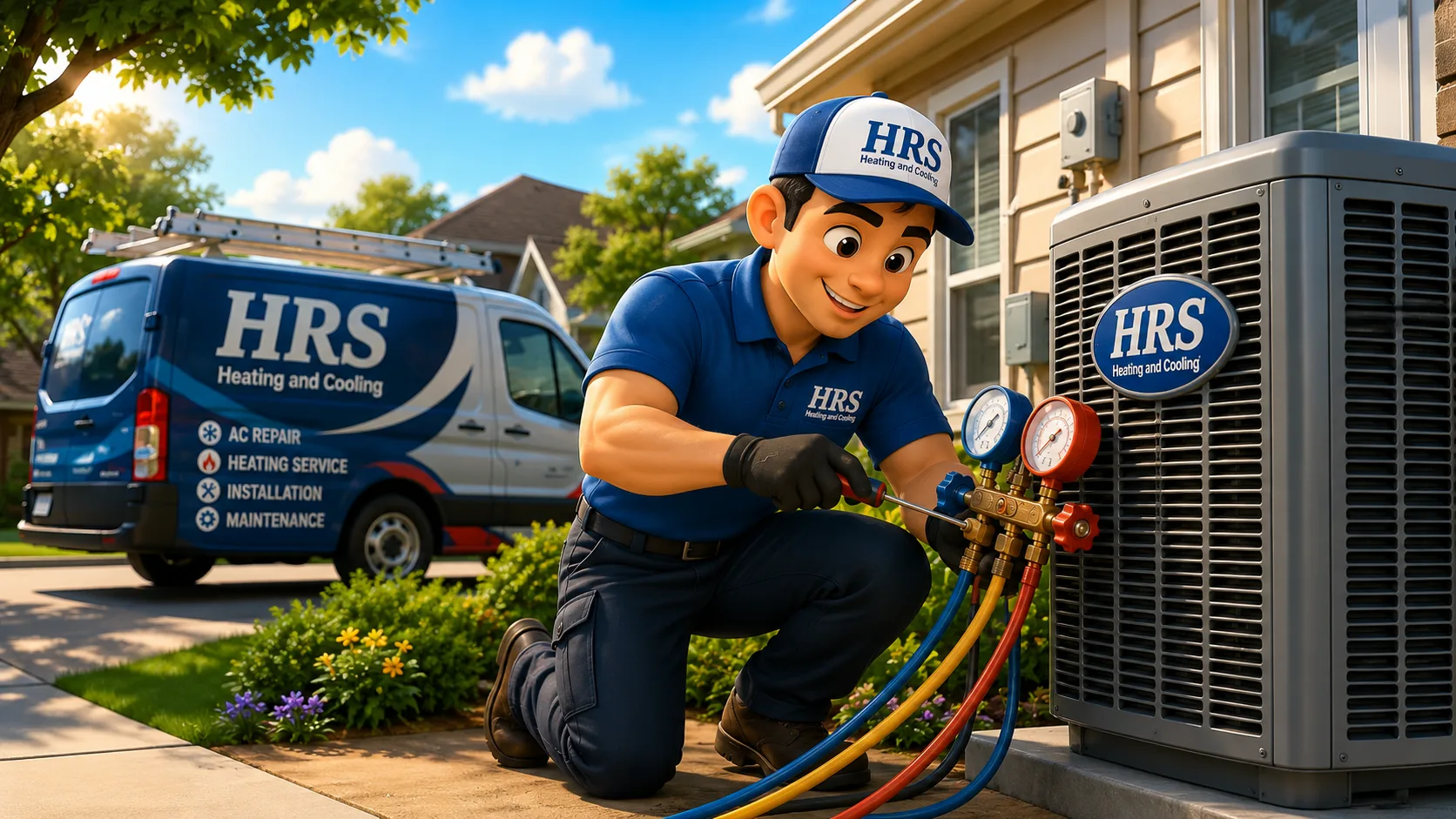
Your heat pump runs constantly but the house won't warm up. Before assuming it's broken, learn what's normal for cold-weather heat pump operation, defrost cycles, and when to call for heat pump repair.
Heat Pump Not Heating Your House? Here's What You Need to Know Before Calling for Repairs
It's cold outside, the thermostat is set to 70 degrees, and your heat pump seems to be running nonstop.
But the house is still sitting at 65.
Is the heat pump broken? Is it too cold outside for it to work? Or is something else going on?
These are reasonable questions, especially for Central Indiana homeowners who are accustomed to traditional gas furnaces.
Heat pumps work differently from furnaces, and understanding that difference can help you recognize what's normal and what's worth having checked.
A Heat Pump Doesn't Heat Your Home Like a Furnace
A gas furnace creates heat by burning fuel. An electric heat pump primarily moves heat from one place to another.
Even when outdoor air feels cold, it still contains thermal energy that a heat pump can use.
During winter, the system absorbs heat outside and transfers it indoors.
Modern cold-climate heat pumps can operate at temperatures well below freezing, although their heating capacity and efficiency vary by model and outdoor conditions.
This is important because a heat pump that runs for extended periods isn't necessarily malfunctioning. Some systems are designed to operate for long stretches to maintain a steady temperature.
The bigger question is whether your home is actually getting warmer.
1. Check the Thermostat Before Anything Else
Start with a few basic checks.
Make sure the thermostat is in HEAT mode and the temperature is set above the current indoor temperature.
If the thermostat uses a schedule, make sure it hasn't switched into an energy-saving setting.
Also check the fan setting. When the fan is set to ON, it may continue circulating air even when the system isn't actively heating.
One more thing: Don't repeatedly raise the thermostat several degrees hoping the heat pump will warm the house faster. In some systems, large temperature adjustments can activate auxiliary heat, which may use more electricity.
2. Your Heat Pump Might Be in Defrost Mode
This is one of the most misunderstood parts of heat pump operation.
When outdoor temperatures are cold and humidity is present, frost can build up on the outdoor coil.
Your heat pump periodically enters a defrost cycle to remove it.
During defrost, the outdoor unit may release visible steam. The outdoor fan may stop temporarily, and the system may temporarily provide less warm air indoors.
That doesn't automatically mean something is broken.
However, if the entire outdoor unit becomes heavily encased in ice, or significant ice remains after defrost cycles, there may be a problem.
Don't try to break the ice off with tools or pour boiling water over the equipment.
A persistent icing issue should be checked by a qualified HVAC technician.
3. Your Air Filter or Airflow May Be Restricted
Just like a traditional furnace, a ducted heat pump relies on airflow.
A clogged filter can reduce system performance, and restricted airflow can contribute to other heating problems.
Check the filter, make sure return grilles aren't blocked by furniture, and verify that supply vents are open.
If the system still isn't heating properly, there could be a deeper airflow issue involving the blower, coil, or ductwork.
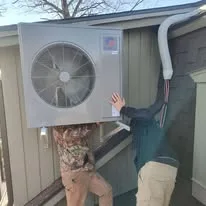
HRS provides heat pump service and repair throughout Central Indiana.
4. The System May Be Having Trouble Keeping Up With the Weather
Indiana temperatures can change dramatically over the course of a week.
A heat pump might keep your home comfortable during a 45-degree afternoon but struggle during a much colder night if it isn't properly sized, configured, or supported by adequate backup heating.
That doesn't mean every home needs a gas furnace.
Some cold-climate heat pumps can handle substantial winter heating loads. Other installations use electric auxiliary heat or a dual-fuel arrangement.
The right setup depends on the house and the equipment.
Before deciding a heat pump isn't suitable for Indiana, have a technician evaluate its capacity, operating condition, and the home's heating requirements.
5. The Auxiliary Heat May Not Be Working
Some heat pump systems include supplemental heating elements.
These may operate during particularly cold weather, during certain defrost conditions, or when the thermostat requests additional heat.
If those elements aren't operating correctly, your heat pump may struggle to bring the home up to temperature.
Watch for unusually long recovery times, a thermostat that never reaches the set temperature, or warning messages on the control.
Because supplemental heating involves high-voltage components, diagnosis and repairs belong to a qualified technician.
6. Refrigerant or Mechanical Problems
A heat pump that runs without producing adequate heat could have a refrigerant-system issue, reversing valve problem, failing compressor, sensor fault, or another mechanical concern.
You generally cannot identify these problems simply by listening to the equipment.
A technician may need to test temperatures, pressures, electrical operation, and system controls.
Avoid attempting refrigerant repairs yourself.
When Should You Schedule Heat Pump Repair?
A few warning signs deserve particular attention:
- Indoor temperatures continue dropping even though the system is running.
- The outdoor unit remains heavily iced over.
- The system repeatedly trips a breaker.
- You hear new grinding or other unusual mechanical noises.
- The system is no longer producing adequate heat.
- You notice electrical burning odors.
If there's smoke, an electrical fire concern, or another immediate hazard, shut down the equipment if safe and contact emergency services as appropriate.
Otherwise, arrange professional service before the heating problem becomes more serious.
Is a Heat Pump a Good Choice for Indiana?
It can be.
A properly selected heat pump can provide heating and cooling from the same system, and modern equipment can be effective in cold climates.
Still, equipment selection matters.
Home insulation, heating load, electricity and fuel costs, comfort expectations, and the specific heat pump model should all factor into the decision.
HRS can also help homeowners compare traditional furnaces, heat pumps, and available heating installation options.
Heat Pump Repair in Central Indiana
If your heat pump isn't heating like it should, you shouldn't have to guess whether the problem is normal cold-weather operation or a malfunction.
HRS Heating & Cooling works on heat pumps and heating equipment across Trafalgar, Franklin, Greenwood, Whiteland, Indianapolis, and nearby communities.
Whether your system needs a repair, maintenance, or an evaluation of its heating capacity, the goal is to understand the problem before spending money on a solution.
Request heating service from HRS or call 317-535-0322.
Frequently Asked Questions
Should my heat pump run constantly in winter?
Longer operating cycles can be normal, particularly during cold weather. But if the indoor temperature keeps dropping or the system can't maintain comfort, it may need attention.
Why does my heat pump blow air that doesn't feel hot?
Heat pumps often supply air that feels less hot than the air from a gas furnace. If the home is maintaining its set temperature, this may be normal.
Can a heat pump work below freezing?
Yes. Many modern heat pumps operate below freezing, but performance and capacity depend on the equipment and outdoor temperature.
Is steam coming from my outdoor heat pump normal?
Steam during a defrost cycle can be normal. Smoke, burning smells, persistent heavy ice, or abnormal noises are different concerns that need attention.
Free Estimate
Ready for Total Comfort?
Get a free, no-obligation estimate from Central Indiana's most trusted HVAC team.
Tags